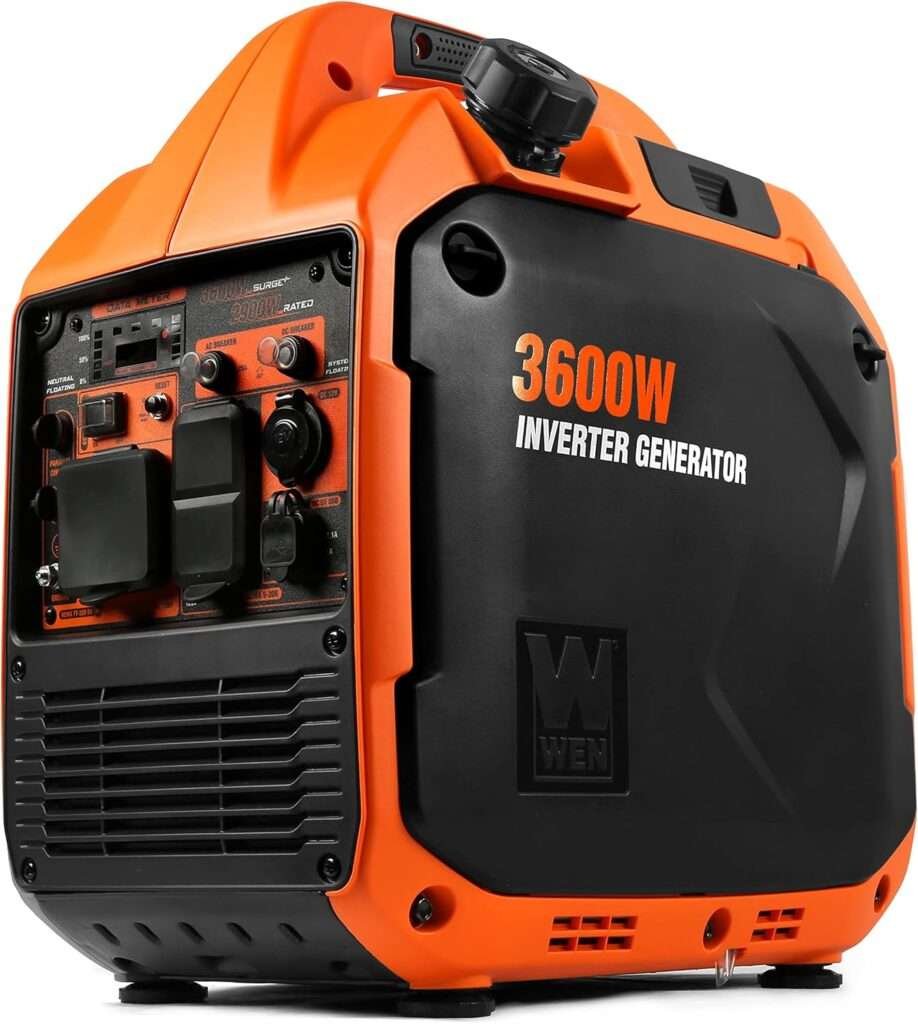
Ever found yourself in the dark during a power outage, or longing for a hot cup of coffee out in the wilderness, far from any outlet? That's where a versatile 2500-watt generator steps in. These portable powerhouses are often overlooked, sitting in a sweet spot between small, gadget-only chargers and bulky, whole-home units, offering a surprising range of applications and use cases for camping, RV trips, and essential home backup. They're designed to deliver reliable power when and where you need it most, without breaking the bank or your back.
At a Glance: Your 2500-Watt Power Cheat Sheet
- Versatile Power: Ideal for powering essential items during outages, enhancing comfort on camping trips, and supporting RV living.
- Running vs. Starting Watts: Always account for both. Running watts are continuous needs; starting watts are the brief surge for motor-driven devices.
- What It Powers: Refrigerators, microwaves, coffee makers, space heaters (one at a time), multiple lights, TVs, laptops, and various power tools.
- What It Doesn't Power: An entire home, electric water heaters, or large central air conditioning units. Small window ACs might barely start but will strain the unit.
- Maximize Efficiency: Prioritize appliances, stagger startups, and use energy-efficient devices.
- Safety First: Always operate outdoors, ensure ventilation, use proper cords, and never overload.
Unpacking Your Portable Powerhouse: What a 2500-Watt Generator Really Means
Before diving into specific applications, let's get clear on what a 2500-watt generator actually brings to the table. Think of it as a robust, portable energy source, capable of producing 2500 watts of continuous (running) power. Many models also boast a higher "starting" or "surge" wattage, allowing them to briefly handle the initial power spike required by motor-driven appliances like refrigerators or power tools. This surge capacity is a critical feature, preventing your generator from tripping or stalling the moment you fire up a hungry device.
Most 2500-watt generators run on gasoline, offering a familiar and readily available fuel source. However, you'll also find dual-fuel options that can switch between gasoline and propane, providing flexibility and potentially longer runtimes or easier storage for some.
Understanding Watts: Running vs. Starting
To truly harness your generator's potential, you need a quick lesson in watts:
- Running Watts: This is the sustained power an appliance needs to operate once it's already on. If your coffee maker says 1000 watts, that's its running wattage.
- Starting Watts (Surge Watts): This is the higher, momentary burst of energy many appliances, especially those with electric motors, demand for a fraction of a second when they first turn on. A refrigerator might run on 600 watts but start with a surge of 1500-2000 watts. Your generator needs to be able to handle this brief spike.
Your Personal Power Budget: How to Calculate Your Needs
Calculating your power needs isn't rocket science, but it does require a little homework:
- List Everything You Plan to Power: Think about what you absolutely can't live without during an outage or what would make your camping trip significantly better.
- Find the Wattage: Check the labels or manuals for each device. They'll usually list both running and, if applicable, starting watts. If only one number is present, assume it's running watts and be mindful of motor-driven items.
- Add Up Running Watts: Sum the running wattage of all devices you intend to use simultaneously. This total must stay under your generator's 2500-watt continuous limit.
- Consider Starting Watts: For motor-driven devices, identify the highest starting wattage among them. This single highest surge needs to be within your generator's surge capacity. You generally only need to worry about one major starting load at a time, as you can stagger when you turn things on.
For example, if you want to run a refrigerator (600 running, 1800 starting) and some LED lights (100 running), your running total is 700 watts (well within 2500). Your highest starting load is 1800 watts, which most 2500-watt generators can handle, as their surge capacity often reaches 3000 watts or more.
The Sweet Spot: What Your 2500-Watt Generator Can Power (and What It Can't)
A 2500-watt generator isn't meant to run your entire suburban home, but it's remarkably capable for essential tasks and creature comforts. Here's a breakdown:
Essential Household Appliances (During an Outage)
During a blackout, keeping critical items running is key. A 2500-watt unit shines here:
- Refrigerator (600-800 running watts, 1200-2200 starting watts): Absolutely! This is often the top priority for food preservation. Your generator can typically handle the starting surge and continuous running.
- Microwave Oven (600-1200 running watts, 1000-1200 starting watts): Yes, for quick meals or heating water. Just be mindful not to run it simultaneously with another high-wattage appliance like a space heater.
- Coffee Maker (600-1200 watts): A morning essential for many. Easily powered, ensuring your routine isn't completely derailed.
- Electric Stove (single burner): Many portable induction cooktops or single electric burners operate within the 1000-1500 watt range, making them feasible. Always check the specific model's wattage.
Heating and Cooling (Strategic Use)
While not for whole-house climate control, a 2500-watt generator can provide targeted relief:
- Space Heaters (1500-2000 watts): Can run most standard electric space heaters, allowing you to warm a single room during colder weather. Avoid running two high-wattage heaters at once.
- Fans (50-100 watts): Multiple fans are no problem, offering relief in warmer conditions.
- Small Window Air Conditioner (~5000 BTU): This is a tricky one. While some 2500-watt generators might briefly start a small 5000 BTU AC (which runs at 1400-1500 watts and surges 2200-2600 watts), sustained use can push the generator to its limits, especially if other devices are running. It's not a comfortable, long-term solution.
Entertainment and Electronics (Keeping You Connected)
Stay connected and entertained, whether roughing it or riding out a storm:
- Television (modern LED/LCD, 100-200 watts): Easily powered, providing news or distraction.
- Gaming Consoles (150-200 watts): Keep the kids (or yourself) busy.
- Laptops, Phones, and Small Electronics (generally under 300 watts): Charging multiple devices is a breeze. Use a power strip with surge protection for added safety.
Lighting (Shedding Light on the Situation)
Brightness without draining your power:
- LED Bulbs (around 10 watts each): Highly efficient. You can run 10 or more LED bulbs for less than 100-200 watts, providing ample light for multiple rooms or a large campsite.
- Floor Lamps: With LED bulbs, they're perfect for ambient or task lighting.
Power Tools (For the DIYer or Occasional Project)
Your generator can be a handy assistant for various projects:
- Power Drills: Easily handled for home repairs or craft projects.
- Electric Saws (circular saws, jigsaws): Can handle these for light to moderate use. Always check the specific tool's wattage, especially for starting.
Limitations: What It Generally Cannot Run
It's equally important to understand the boundaries of a 2500-watt generator:
- Entire House: Forget it. A standard home typically requires 15,000 to 20,000 watts to power its entire service (usually 200 amps). A 2500-watt unit is for essential circuits only.
- Electric Water Heater: These are massive power hogs, typically demanding around 4500 watts continuously. Your 2500-watt generator is simply not powerful enough.
- Central Air Conditioning/Large Window AC Units: These require significantly more running and starting watts than a 2500-watt generator can provide.
Applications: Where a 2500-Watt Generator Truly Shines
Now that you know its capabilities, let's explore the practical scenarios where a 2500-watt generator truly comes into its own.
1. Camping and Outdoor Adventures: Bringing Comfort to the Wild
For many outdoor enthusiasts, a 2500-watt generator strikes the perfect balance between portability and power. It's often compact enough to transport easily in a car or truck, yet robust enough to elevate your camping experience beyond primitive conditions.
- Elevated Comfort: Imagine running a small fan on a hot summer night, powering an electric air mattress pump, or even firing up an electric skillet for a campsite breakfast. These small luxuries make a huge difference.
- Essential Power for Extended Stays: Keep your cooler charged if it's an electric model, run outdoor LED string lights for ambiance, or power a portable projector for an outdoor movie night.
- Charging Your Gear: From phones and laptops to camera batteries and portable speakers, your generator ensures all your devices stay topped up, meaning you're always connected (if you want to be) and ready to capture memories.
- Cooking and Heating: Beyond the campfire, you can power a coffee maker for that morning brew, a small electric kettle for instant noodles, or a personal space heater inside your tent (with extreme caution and ventilation).
Many campers value the quiet operation of inverter generators in this wattage class, ensuring they don't disturb the peace (or their neighbors). For more insights into selecting the right unit, you might want to Learn more about 2500-watt generators.
2. RV and Van Life Power: The Mobile Lifeline
For RVers and van lifers, a 2500-watt generator can be an invaluable companion, whether you're boondocking off-grid or need supplemental power at a campsite.
- Boondocking Essentials: When away from shore power, your generator becomes the primary source for running your RV's 120V outlets. This means powering the microwave for a quick meal, running the refrigerator indefinitely, or using your coffee maker each morning.
- Battery Charging: It's perfect for quickly recharging your RV's house batteries, extending your off-grid stays significantly. You can run it for a few hours to bring your battery bank back up to snuff, then shut it down to enjoy the quiet.
- Supplementing Shore Power: Even with shore power, some RV parks have limited amperage. A 2500-watt generator can provide extra juice if you need to run multiple high-draw appliances simultaneously or if the park's power is unreliable.
- Entertainment and Work on the Go: Keep your TV, gaming console, and all your work-from-the-road electronics powered up without worry. It allows you to maintain a semblance of home office productivity even in remote locations.
While it won't power your RV's main air conditioner (unless it's a very small, specialized unit designed for low wattage), it covers a vast majority of other electrical needs.
3. Home Backup and Emergency Preparedness: Peace of Mind During Outages
When the grid goes down, a 2500-watt generator can provide critical power for keeping your household running smoothly, offering peace of mind until power is restored.
- Preserving Perishables: Top priority for most homeowners during an outage is the refrigerator and/or freezer. A 2500-watt generator can reliably power one, preventing hundreds of dollars in food spoilage.
- Essential Comforts: Keep a few lights on, charge phones and laptops, and run a fan or a small space heater in a key living area. These simple measures make a long outage much more bearable.
- Medical Device Support: For those relying on essential medical equipment that doesn't require high wattage (e.g., CPAP machines, oxygen concentrators below 2500W), a generator provides crucial backup. Always confirm your medical device's exact power requirements and consult a medical professional about backup power solutions.
- Sump Pump Operation: In areas prone to flooding, a 2500-watt generator can power a standard sump pump (typically 800-1500 watts starting), preventing water damage to your basement.
- Well Pump (Small): Some smaller well pumps (1/2 HP or less) might be powered, but this is highly dependent on the pump's specific starting and running watts. You'd need to verify this carefully.
The key to successful home backup with a 2500-watt unit is strategic planning and prioritization. It's about powering the most essential items to maintain safety and comfort, not trying to run your entire house as usual.
Maximizing Performance and Safe Operation: Get the Most Out of Your Generator
A 2500-watt generator is a workhorse, but like any powerful tool, it performs best with smart usage and diligent care.
Smart Usage for Optimal Performance
- Prioritize Appliances: During an outage, focus on what's truly essential. Do you really need the coffee maker and the microwave at the same time? Probably not.
- Stagger Startup Times: This is crucial for devices with high starting watts. Don't plug in your refrigerator and then immediately turn on your circular saw. Start the refrigerator, let it run for a minute, then plug in your other devices one by one. This avoids overloading the generator's surge capacity.
- Embrace Energy Efficiency: Opt for LED lighting over incandescent bulbs. Use Energy Star-rated appliances where possible. Every watt saved is a watt available for something else.
- Check Generator Load: Many modern generators have a built-in load indicator. Keep an eye on it to ensure you're not consistently pushing the unit to its maximum capacity, which can reduce its lifespan.
Essential Maintenance for Longevity
Regular maintenance isn't just a suggestion; it's vital for reliable operation and extending the life of your generator.
- Oil Level Checks: Always check the oil level before each use, especially if it's been stored. Change the oil after the first 5-10 hours of use (break-in period) and then every 50-100 hours or per the manufacturer's recommendations.
- Air Filter Inspection: A clean air filter is crucial for efficient engine operation. Inspect it regularly and clean or replace it when dirty.
- Spark Plug: Check and clean the spark plug periodically. Replace it if it's fouled or worn.
- Fuel System: If storing your generator for more than a month, drain the fuel or use a fuel stabilizer to prevent gumming and carburetor issues.
- General Inspection: Look for loose wires, damaged cords, or any signs of wear and tear. Address issues immediately.
Crucial Safety Guidelines: Non-Negotiable Rules
Operating a generator carries inherent risks, primarily carbon monoxide poisoning and electrical hazards. Following these guidelines is not optional.
- Always Operate Outdoors, Away from Structures: Generators produce carbon monoxide (CO), an invisible, odorless, and deadly gas. NEVER run a generator inside a home, garage, shed, or even near open windows, doors, or vents. Place it at least 20 feet away from your home with the exhaust pointed away.
- Keep the Unit Dry: Protect your generator from rain and moisture to prevent electrical shock. Use a generator cover or an open, canopy-like structure if needed, ensuring adequate ventilation underneath.
- Use Appropriate Heavy-Duty Extension Cords: Only use outdoor-rated, heavy-gauge extension cords that are long enough to reach your appliances without creating tripping hazards. Ensure the cords are rated for the power draw of your devices.
- Never Overload the Generator: Stick to the 2500-watt running limit. Overloading can damage the generator and connected appliances, and it's a fire risk.
- Turn Off and Cool Before Refueling: Gasoline is highly flammable. Always turn off the generator and let it cool completely before adding fuel. Spilled fuel on a hot engine can ignite.
- Use Power Strips with Surge Protectors: For sensitive electronics like laptops and TVs, a power strip with built-in surge protection can offer an extra layer of defense against power fluctuations.
- Install CO Alarms: Place battery-operated carbon monoxide alarms inside your home, especially near sleeping areas, as an additional safety measure.
Fueling Your Generator: Understanding Your Options and Consumption
The type and amount of fuel you use directly impact your generator's runtime and convenience.
- Fuel Type:
- Gasoline: Most common. Easy to find but has a shorter shelf life and can be dangerous to store in large quantities.
- Propane (LPG): Often used in dual-fuel models. Stores almost indefinitely, burns cleaner, and propane tanks are easily swapped. However, propane offers slightly less power output compared to gasoline for the same engine size and can be less energy-dense.
- Runtime Estimates: A 2500-watt gasoline generator typically runs 8-12 hours on a full tank (around 1-1.5 gallons) at 50% load. Higher loads mean shorter runtimes.
- Fuel Storage: Store gasoline in approved containers in a cool, dry, well-ventilated area away from living spaces and heat sources. Propane tanks should also be stored outdoors and upright. Always estimate your potential fuel needs for the expected duration of use (e.g., if powering a fridge for 24 hours, how many tanks/gallons will you need?).
Making the Most of Your 2500-Watt Investment: Practical Tips
Beyond the technical aspects, here are a few practical considerations to ensure your 2500-watt generator is always ready and performs optimally:
- Practice Drills: If using for home backup, conduct a "power outage drill" before an actual emergency. Know which outlets are connected to your generator (if using a transfer switch) or which appliances you'll plug in directly. This helps avoid panic and ensures you know the setup.
- Extension Cord Management: Label your heavy-duty extension cords with their wattage rating. Roll them neatly for storage. Consider using a generator cord management system to keep cords tidy and trip-hazard-free.
- Noise Considerations: While modern inverter generators in the 2500-watt range are significantly quieter than traditional open-frame models, they still make noise. Be mindful of neighbors when camping or during extended home use. Some campgrounds have specific generator hours.
- Security: Generators are attractive to thieves. Consider a locking cable or other security measures, especially if leaving it unattended at a campsite or remote location.
Common Questions & Misconceptions About 2500-Watt Generators
Let's clear up some common queries you might have.
Q: Can a 2500-watt generator run a small air conditioner?
A: It's borderline. A small 5000 BTU window AC unit might start and run, but it will consume most of your generator's capacity (1400-1500 running, 2200-2600 starting watts). Running anything else simultaneously would likely overload it. It's not ideal for sustained AC use.
Q: How long can a 2500-watt generator run continuously?
A: Most gasoline models can run 8-12 hours on a tank at 50% load. Some larger tanks or dual-fuel options (using propane) can extend this. It's not designed for weeks of continuous operation without refueling and maintenance checks.
Q: Is a 2500-watt generator noisy?
A: It depends on the type. Traditional "construction style" generators are generally louder. Inverter generators, which are very common in the 2500-watt class, are much quieter (often around 50-60 dB, comparable to a normal conversation), making them ideal for camping and RV use.
Q: Can I connect a 2500-watt generator directly to my home's electrical panel?
A: NO, absolutely not, unless you have a professionally installed manual transfer switch. Backfeeding power into your home's electrical system without a transfer switch is extremely dangerous, posing a severe electrocution risk to utility workers and your neighbors. Always use proper, heavy-duty extension cords to power individual appliances directly, or have a qualified electrician install a transfer switch.
Your Portable Power Solution Awaits
A 2500-watt generator isn't just another piece of equipment; it's a smart investment in convenience, comfort, and peace of mind. Whether you're chasing sunsets in your RV, seeking solace in the backcountry, or preparing your home for the unexpected, this versatile unit provides reliable power for your essential needs. Understand its capabilities, respect its limitations, and always prioritize safety, and you'll find your 2500-watt generator an indispensable companion for countless adventures and emergencies alike.