Few pieces of equipment offer the immediate relief and critical functionality of a portable generator when the power goes out. For many, a 2500-watt generator strikes that perfect balance of portability and power, capable of running essential appliances during an outage or powering tools at a remote job site. But just like any powerful machine, mastering the safe operation and maintenance for 2500 watt generators isn't just about convenience—it's about protecting yourself, your family, and your property from significant, often invisible, dangers.
This isn't your average instruction manual. We're going to dive deep into the best practices, the "why" behind the rules, and the insider tips that transform a good operator into a truly safe one. Our goal? To equip you with the knowledge to handle your 2500-watt workhorse with absolute confidence, ensuring it serves you reliably and, most importantly, safely.
At a Glance: Your 2500W Generator Safety Checklist
Before we unpack the details, here's a quick rundown of the essentials you'll need to remember for safe generator use:
- Outdoor Only: Always, always run your generator outside, far from windows and doors, to avoid carbon monoxide poisoning.
- Stable Ground: Place it on a flat, level surface to prevent tipping and vibration-related damage.
- Properly Grounded: Ensure it's correctly grounded to prevent electrical shock.
- Read the Manual: Familiarize yourself with your specific model's start-up, load, and shutdown procedures.
- Mind the Load: Never overload your generator; it can lead to overheating and fire.
- Stay Dry: Avoid operation in wet conditions. If unavoidable, use a purpose-built, ventilated cover.
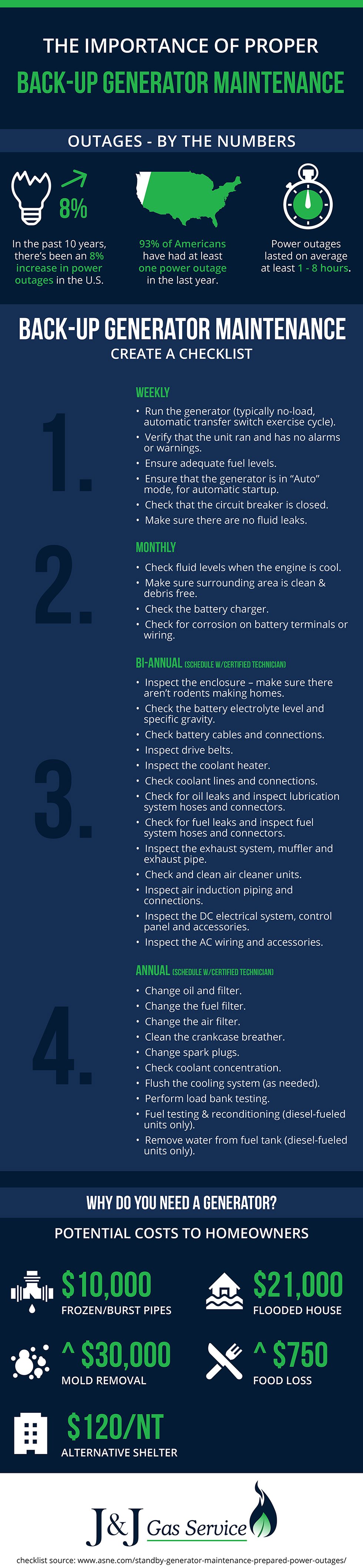
- Routine Checks: Perform regular inspections and maintenance, like oil changes and air filter replacements.
- Wear PPE: Use gloves, safety glasses, and masks when handling fluids or parts.
- Emergency Ready: Keep a fire extinguisher handy and know your emergency shutdown steps.
- Pro Support: Don't hesitate to call professionals like Hatton Power & Propulsion for complex issues or emergencies.
Why Safety Isn't Optional: Understanding the Hidden Dangers
Generators are incredibly useful, but they're not toys. They produce electricity, generate exhaust fumes, handle flammable fuel, and contain moving parts. Each of these elements, if mishandled, presents serious risks that can lead to injury, property damage, or worse. The truth is, many generator-related incidents are preventable with proper knowledge and adherence to safety protocols.
Think of it this way: operating a 2500-watt generator is like driving a car. You wouldn't hit the road without knowing how to drive, where the brakes are, or understanding traffic laws. Similarly, you shouldn't power up a generator without a thorough understanding of its operational nuances and inherent dangers. These include:
- Carbon Monoxide (CO) Poisoning: The silent killer. Generators emit CO, an odorless, colorless gas that can be fatal in enclosed spaces. Even a garage with the door open isn't safe.
- Electrical Shock & Electrocution: Improper grounding, using damaged cords, or operating in wet conditions can turn your generator into a lethal electrical hazard.
- Fire Hazards: Fuel is highly flammable. Spills, improper storage, or an overloaded generator can quickly escalate into a dangerous fire.
- Mechanical Injuries: Moving parts, hot engine components, and unexpected malfunctions can cause burns, pinches, or cuts if you're not careful during maintenance or operation.
Comprehensive training isn't just a suggestion; it's fundamental. Understanding how your specific generator works, recognizing different unit dangers (like gasoline fumes), knowing all operational steps, and mastering emergency procedures are non-negotiable for safe operation. Regularly reviewing and updating these safety protocols, especially concerning environmental hazards like flammable materials or poor ventilation, is a continuous commitment.
Mastering the Setup: Laying a Safe Foundation
Before you even think about starting your generator, a safe setup is paramount. This isn't just about convenience; it's about building a robust safety framework from the ground up.
The Golden Rule: Outdoor and Ventilated Placement
This is, without a doubt, the most critical safety instruction for any generator. Always place your generator outdoors or in a well-ventilated area to prevent dangerous and potentially fatal carbon monoxide buildup.
Here’s what that really means:
- Beyond the Garage: "Well-ventilated" does not mean inside a garage with the door open, under a carport, or even near an open window. CO can quickly accumulate and seep into your home.
- Distance is Your Friend: Position the generator at least 20 feet (6 meters) away from your home, windows, doors, and any other buildings. Angle the exhaust away from any structures to minimize gas entry.
- Clear the Air: Ensure there's plenty of open space around the generator for exhaust to disperse freely. Never place it where snow, leaves, or other debris could block the exhaust port.
- CO Detectors Are Essential: Even with perfect outdoor placement, having battery-operated carbon monoxide detectors inside your home (on every level and near sleeping areas) is an absolute must. They are your second line of defense against this invisible threat.
Rock-Solid Stability: Preventing Tumbles and Damage
Your 2500-watt generator, while relatively compact, still weighs a fair amount. It also vibrates during operation. Ensure the generator is on a stable, flat surface to prevent tipping or damage from vibrations.
- Level Ground: Use a spirit level to check that the surface is perfectly flat. Uneven ground can cause the generator to rock, potentially damaging its components or even tipping it over.
- Firm Foundation: Concrete slabs, compacted gravel, or even a sturdy piece of plywood on firm ground are ideal. Avoid soft earth or muddy spots where the generator could sink or become unstable.
- Clear Surroundings: Keep the area immediately around the generator clear of anything that could obstruct its airflow or become a trip hazard.
Grounding for Your Life: The Electrical Shield
Electricity always seeks the path of least resistance to the ground. If your generator isn't properly grounded, you could become that path in the event of an electrical fault. Properly ground the generator to protect personnel from electrical hazards.
- What is Grounding? It connects the generator's frame to the earth, creating a safe path for stray electrical current to dissipate, preventing shocks.
- How to Do It:
- Obtain a copper grounding rod (usually 8 feet long) and a heavy-gauge copper wire.
- Drive the grounding rod at least 8 feet into the earth near the generator.
- Connect one end of the copper wire to the grounding lug (a designated screw or bolt) on your generator's frame.
- Connect the other end of the wire to the grounding rod using a specialized clamp.
- Check Your Manual: Always refer to your generator's owner's manual for specific grounding instructions, as requirements can vary slightly between models.
Operating with Confidence: Powering Up Safely
Once your generator is safely set up, it’s time to power up. But powering up isn't just about pulling a cord or pressing a button; it's a careful sequence of steps designed to protect both the operator and the generator itself.
Know Your Machine: Start, Load, and Stop Sequences
Every generator has a specific dance it performs to come to life and power down. Familiarize yourself with the generator’s start, load, and stop procedures to avoid malfunctions.
- The Owner's Manual is Gold: Seriously, read it. It contains crucial details about your specific 2500-watt model's choke, fuel valve, starter, and circuit breakers.
- Starting Sequence (General):
- Ensure all appliances are unplugged from the generator.
- Check fuel and oil levels.
- Open the fuel valve.
- Turn the choke on (if cold engine).
- Turn the engine switch to the "On" position.
- Start the engine (pull cord or push button).
- Once running smoothly, turn the choke off (if used).
- Allow the engine to warm up for a few minutes before applying a load.
- Applying the Load: Plug in appliances one by one, starting with the highest wattage requirement.
- Stopping Sequence (General):
- Disconnect all appliances from the generator.
- Let the generator run for a few minutes with no load to cool down.
- Turn the engine switch to "Off."
- Close the fuel valve to prevent fuel from flowing to the carburetor, which helps prevent stale fuel issues.
The Overload Trap: Why Less is Often More
A 2500-watt generator has limits. Pushing it beyond those limits is a surefire way to damage the unit and create a fire hazard. Strictly adhere to load limits; overloading can cause overheating, electrical faults, and fire.
- Understanding Watts: Know the starting (surge) watts and running watts of your appliances. The starting watts are higher and occur for a brief moment when an appliance first turns on.
- Calculate Your Needs: List all the appliances you plan to run simultaneously. Add up their running watts. This sum should be well within your generator's continuous running wattage. Remember to factor in surge watts for individual items starting up.
- Breakers Are Your Friend: Most generators have circuit breakers designed to trip if overloaded. Don't simply reset a tripped breaker without first reducing the load; it's a warning sign.
- Extension Cords Matter: Use heavy-duty, outdoor-rated extension cords that are properly sized for the current they will carry. Undersized cords can overheat and cause fires.
For a deeper dive into understanding your generator's capabilities and finding the right fit for your needs, check out our comprehensive Guide to 2500-watt generators.
Weathering the Storm (Safely): Operating in Wet Conditions
Rain and electricity don't mix. Operating a generator in wet conditions significantly increases the risk of electrocution. Avoid using generators in wet or damp conditions (rain, snow) to prevent electrocution. If outdoor use is necessary, use a purpose-designed cover that ensures adequate ventilation.
- Relocation First: If possible, wait for the weather to clear or move the generator to a completely dry, sheltered area that still meets all ventilation requirements.
- Purpose-Designed Covers: These covers are specifically engineered to protect the generator from rain and snow while maintaining essential airflow for cooling and exhaust. Do not use makeshift covers like tarps, which can block ventilation, cause overheating, or trap deadly carbon monoxide.
- Dry Hands, Dry Feet: Always handle the generator, fuel, and electrical cords with dry hands while standing on a dry surface. Wear insulated gloves and rubber-soled boots.
- GFCI Protection: Ensure your extension cords are rated for outdoor use and consider using cords or adapters with Ground Fault Circuit Interrupter (GFCI) protection for an extra layer of safety against electrical shock.
Keeping Your 2500W Workhorse Running Strong: Essential Maintenance
A well-maintained generator isn't just more reliable; it's safer. Neglecting maintenance can lead to unexpected breakdowns, increased fire risks, and a shorter lifespan for your investment.
The Power of Prevention: Regular Inspections
You wouldn't drive your car for years without checking the tires or changing the oil, right? Your generator deserves the same attention. Conduct scheduled inspections to identify and address potential issues early.
- Before Each Use: Check fuel and oil levels, inspect for any visible damage, loose wires, or fuel leaks. Clear any debris from around the engine and air intake.
- After Each Use: Let it cool down, then wipe it clean. Check connections.
- Scheduled Checks: Refer to your owner's manual for recommended inspection intervals, usually based on hours of operation or calendar time (e.g., every 50 hours or annually).
Gear Up: Your PPE for Maintenance Tasks
Maintenance often involves contact with fuel, oil, hot surfaces, and various parts. Wear appropriate personal protective equipment (PPE), such as gloves, safety glasses, and masks (if needed), when handling parts and fluids to avoid inhaling fumes.
- Gloves: Protect your hands from fuel, oil, grease, and sharp edges.
- Safety Glasses: Essential for protecting your eyes from splashes, dust, and debris, especially during fuel handling or cleaning.
- Hearing Protection: Generators can be noisy. If you're running it for extended periods or performing maintenance while it's idling, earplugs or earmuffs are recommended.
- Masks: If you're dealing with old, dusty air filters or volatile cleaning agents, a respirator can protect your lungs.
The Nitty-Gritty: Oil, Filters, and Electrical Checks
These are the bread and butter of generator maintenance, directly impacting performance and safety. Perform routine maintenance tasks like oil changes, air filter replacements, and electrical inspections.
- Oil Changes: Clean oil is vital for engine longevity. Follow your manual's recommendations for oil type and change intervals. Dispose of used oil responsibly.
- Air Filter Replacement: A clogged air filter restricts airflow, forcing the engine to work harder, consuming more fuel, and potentially overheating. Check and clean/replace as needed.
- Spark Plug Inspection: A clean, properly gapped spark plug ensures efficient combustion. Inspect and replace annually or as recommended.
- Fuel System Check: Look for cracks in fuel lines, leaks around the tank, and sediment in the fuel filter. Always use fresh, stabilized fuel to prevent carburetor issues.
- Battery Maintenance (if applicable): If your generator has an electric start, check the battery terminals for corrosion and ensure it's fully charged.
Connection is Key: Preventing Faulty Wiring Headaches
Loose or corroded electrical connections are more than just an inconvenience; they are a primary cause of malfunctions and potential electrical hazards. Regularly clean and check electrical connections, as faulty wiring is a primary cause of malfunctions.
- Visual Inspection: Look for fraying on wires, cracked insulation, or signs of overheating (discoloration).
- Tighten Connections: Periodically check and tighten all accessible electrical connections, including battery terminals, spark plug wires, and receptacle covers.
- Cleanliness: Keep terminals and connections free of dirt, dust, and corrosion. A wire brush and electrical contact cleaner can be your best friends here.
- Cord Care: Inspect all extension cords and power cords connected to the generator for damage before each use. Never use a damaged cord.
What to Do When Things Go Sideways: Emergency Preparedness
Even with the best planning, emergencies can happen. Being prepared means you can respond quickly, minimize damage, and ensure everyone's safety.
Your Instant Response Kit: Shutdown & Fire Extinguisher
Knowing exactly what to do in a crisis can make all the difference. Have an emergency shutdown procedure and a fire extinguisher readily available.
- Emergency Shutdown: This is usually a clearly marked "Off" switch or a rapid sequence to cut fuel and ignition. Practice it. Make sure everyone who might operate the generator knows it.
- Fire Extinguisher: Keep an ABC-rated dry chemical fire extinguisher within easy reach of your generator. This type is effective against electrical fires, liquid fires (fuel), and ordinary combustibles. Ensure it's charged and you know how to use it (PASS: Pull, Aim, Squeeze, Sweep).
- First Aid Kit: A basic first aid kit should also be nearby for minor injuries.
Beyond DIY: When to Call the Professionals
Sometimes, a situation demands expertise beyond your own. For complex or high-stakes emergencies, professional intervention is crucial. Engage expert services, such as Hatton Power & Propulsion, for specialized knowledge and rapid response to mitigate risks.
- Unusual Noises or Smells: If your generator is making strange sounds, emitting unusual smoke, or smells of burning, shut it down immediately and call a professional.
- Persistent Electrical Issues: Repeated breaker trips, flickering power, or sparks are signs of serious electrical problems that require expert diagnosis.
- Fuel Leaks: Any significant fuel leak is a severe fire hazard that warrants immediate professional attention.
- Post-Disaster Assessment: After a flood, fire, or severe impact, even if your generator looks okay, have it professionally inspected before attempting to use it. Hatton Power & Propulsion specializes in ensuring generators are safe and operational, especially after critical events.
Building a Safety Net: Partnering for Peace of Mind
The best time to find a reliable expert is before you need one. Establish a relationship with a reliable professional partner in advance to ensure access to experienced support when needed most. Knowing who to call in a crisis can alleviate immense stress and guarantee a prompt, expert solution. For all your generator safety and maintenance needs, consider reaching out to Hatton Power & Propulsion—they offer specialized knowledge and rapid response services designed to keep your generator running safely and efficiently.
Common Questions & Misconceptions About 2500W Generator Safety
Let's clear up some common doubts and myths that can lead to dangerous practices.
"Can I run my generator in the garage with the door open?"
Absolutely NOT. This is one of the most dangerous misconceptions. Even with the garage door wide open, carbon monoxide can quickly build up to fatal levels inside the garage and easily seep into your home through open doorways, windows, or cracks in the walls. Always run your generator outdoors, at least 20 feet from any building openings.
"Is it okay to refuel while it's running?"
Never. Refueling a hot or running generator is an extreme fire hazard. Fuel, especially gasoline, can ignite instantly when it contacts hot engine parts. Always shut down the generator, allow it to cool for several minutes, and then refuel in a well-ventilated outdoor area. Use a funnel to prevent spills, and clean up any spilled fuel immediately before restarting.
"My generator has GFCI outlets, do I still need to ground it?"
Yes, you should still properly ground your generator. While GFCI (Ground Fault Circuit Interrupter) outlets provide an excellent layer of personal protection against electrical shock by tripping if they detect an imbalance in current (a ground fault), they do not replace the primary requirement of grounding the generator itself. Grounding protects the equipment and provides a direct path for fault current to the earth, complementing the GFCI's role in protecting personnel. Always refer to your generator's manual for specific grounding requirements.
Your Ongoing Commitment to Safe Power
Operating and maintaining a 2500-watt generator doesn't have to be daunting. By prioritizing safety through diligent setup, careful operation, and consistent maintenance, you transform a potential hazard into a reliable source of power. Adhering to these best practices isn't a one-time task; it's an ongoing commitment that safeguards your equipment, protects your loved ones, and provides genuine peace of mind.
Remember, the goal is always to function as intended without risking personnel or equipment. Stay informed, stay prepared, and never underestimate the power you're harnessing. With these guidelines, you're not just running a generator; you're managing a vital resource with the expertise and caution it deserves.