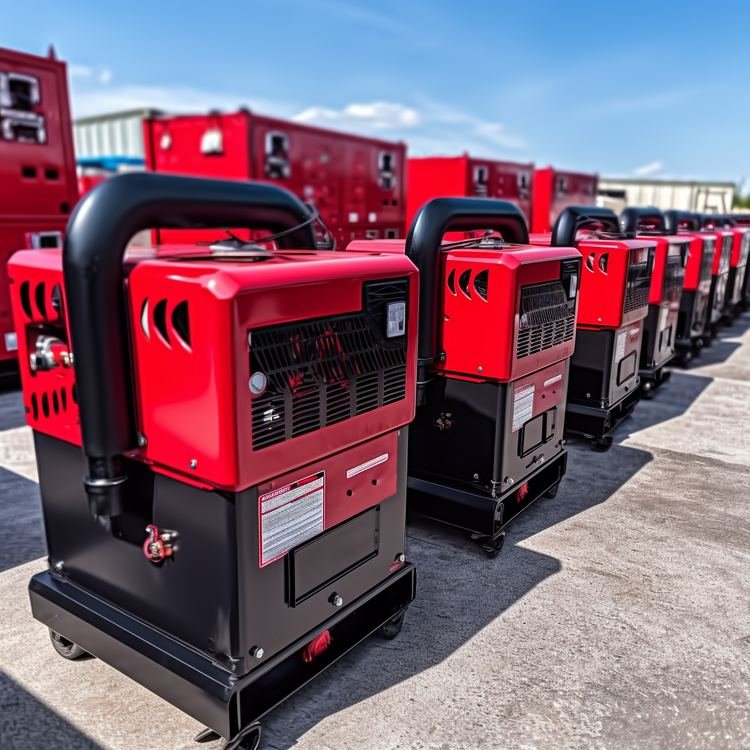
When the lights go out, or you're miles from the grid, a reliable power source isn't just a convenience—it's a necessity. That's where Understanding 2500 Watt Generators: Types, Fuel, and Power Output becomes your essential guide. These versatile machines strike a sweet spot for many users, offering enough juice to keep critical appliances humming without being overly bulky or fuel-thirsty. But navigating the world of generators can feel like deciphering a cryptic code of watts, amps, and engine specs.
Consider this your plain-language roadmap to everything you need to know about 2500W generators. We'll demystify how they work, what powers them, and how to pick the perfect one to match your specific needs, ensuring you're never left in the dark.
At a Glance: Your 2500-Watt Generator Essentials
- Sweet Spot Power: 2500 watts is ideal for powering essential home appliances during an outage, small tools, camping trips, or RV needs.
- Running vs. Surge: Always understand the difference. Running watts keep things going; surge watts are for starting motor-driven devices.
- Fuel Options: Primarily gasoline (most common) or propane (cleaner, more efficient burn). Dual-fuel options offer flexibility.
- Efficiency is Key: Gas generators typically consume 0.7-1.2 GPH at full load. Aim for 50-75% capacity for optimal fuel efficiency and longevity.
- Safety First: Always operate outdoors, at least 10 feet from structures, to prevent carbon monoxide poisoning. Look for models with automatic CO shutoff.
- Maintenance Matters: Regular checks, oil changes, and fuel stabilization are vital for consistent performance and a longer lifespan.
What is a 2500-Watt Generator, Really?
At its core, a 2500-watt generator is a portable power station, engineered to deliver electricity when and where you need it most. This "2500 watts" refers to its rated continuous power output, meaning it can typically sustain 2500 watts of electrical load for an extended period. Most units in this class feature an engine size ranging from 100cc to 200cc, which drives an alternator to produce AC electricity. A built-in voltage regulator ensures a stable output, protecting your devices.
These generators have earned their popularity due to a balanced blend of portability, reasonable noise levels (often under 70 decibels), and sufficient power for a variety of tasks. You'll find them reliably powering small tools on job sites, keeping critical home appliances running during an outage, providing comfort during camping excursions, or offering auxiliary power for RVs and small businesses. They represent an excellent middle ground, potent enough for practical applications without the bulk and fuel demands of larger units.
Decoding Generator Power: Running vs. Surge Watts
When you're evaluating any generator, especially a 2500-watt model, the distinction between "running watts" and "surge watts" isn't just technical jargon—it's absolutely critical for making the right choice. Getting this wrong can mean the difference between a smoothly operating home and a generator that constantly trips or even damages your appliances.
Running Watts (or Rated Watts): The Continuous Marathon
Running watts represent the continuous power a generator can supply to keep your appliances operating steadily. Think of it as the sustained energy needed for a light bulb to stay lit, a fan to keep spinning, or a refrigerator to maintain its temperature after it's already started. This is the number you'll use for most of your calculations when listing essential items.
Surge Watts (or Starting Watts): The Quick Burst of Strength
Surge watts are the extra burst of power momentarily required to start motor-driven devices. Appliances like refrigerators, air conditioners, microwaves, or power tools demand a much higher wattage at startup for a few seconds before settling back to their running wattage. A generator's surge capacity needs to be significantly higher than its running watts to handle these initial power spikes. For instance, a refrigerator might need 500 running watts but a whopping 1000 watts to get its compressor going.
It's paramount that your generator's total capacity, particularly its surge capacity, covers both the continuous running loads and these peak startup demands. If your generator can't handle the surge, it will trip its circuit breaker, shut down, or simply fail to start the appliance.
Why the 20% Buffer Rule?
Once you've calculated your total continuous and peak startup loads, don't just pick a generator that exactly matches those numbers. Instead, select a generator with at least 20% more capacity than your calculated total. This buffer is crucial for several reasons:
- Longevity: Running a generator at its absolute maximum capacity constantly puts immense strain on the engine, drastically reducing its lifespan.
- Reliability: An overloaded generator is more prone to shutting down, tripping breakers, and producing unstable power.
- Future Needs: Your power needs might expand slightly over time. A buffer provides flexibility.
For example, if your essentials require 2000 running watts and the highest surge spike is 2500 watts, you'd aim for a generator with a running watt capacity of at least 2400 watts (2000 + 20%) and a surge capacity capable of handling 3000 watts (2500 + 20%). A 2500-watt running generator would typically have a surge capacity higher than 2500 watts, often in the 2800-3500 watt range, making it suitable for many common scenarios.
Fueling Your Power: Gas, Propane, and Beyond
The type of fuel your 2500-watt generator uses significantly impacts its performance, operating costs, emissions, and how you'll manage it. While gasoline is the most common choice, other options offer distinct advantages.
Gasoline Generators: The Reliable Workhorse
Gas-powered generators dominate the portable market, and for good reason. Gasoline is widely available, making it convenient to refuel almost anywhere. A typical 2500W gas generator will consume roughly 0.7 to 1.2 gallons per hour (GPH) at full load. At half load, this rate drops to about 0.5 to 0.7 GPH, which can give you 6-8 hours of run time on a standard tank.
However, gasoline has its drawbacks:
- Fuel Storage: Gasoline has a relatively short shelf life (3-6 months) and requires careful, safety-compliant storage.
- Efficiency: While improving, gasoline engines are less efficient at lower loads, meaning you might burn more fuel than necessary if not optimally loaded.
- Emissions: They produce pollutants like carbon monoxide (CO) and nitrogen oxides (NOx), necessitating strict outdoor operation.
- Noise: Though modern 2500W gas generators are quieter than larger units, they still produce a noticeable hum, typically under 70 decibels.
Gasoline generators generally convert about 20-25% of the fuel's energy into electricity, with the rest lost as heat and noise. To maximize efficiency, using high-quality, fresh fuel is vital, as old or dirty fuel can clog components and reduce power output.
Propane Generators: The Cleaner, Quieter Alternative
Propane (LPG) generators are gaining popularity due to their cleaner burn and longer storage life. While they might require additional equipment like propane tanks, the benefits can be substantial.
- Cleaner Burn: Propane burns cleaner than gasoline, producing fewer harmful emissions and less soot buildup in the engine. This translates to longer engine life and less frequent maintenance.
- Storage: Propane can be stored indefinitely in tanks without degradation, unlike gasoline, which is a major advantage for emergency backup.
- Efficiency: Propane can offer better fuel efficiency, particularly at lower loads, and some argue it provides more consistent power.
- Noise: They tend to run slightly quieter than comparable gasoline models.
The main downsides are that propane tanks need to be refilled or exchanged, which might be less convenient than buying gasoline from a pump, and cold weather can sometimes affect propane flow. Also, some propane models might have a slightly lower power output compared to a gasoline engine of the exact same size due to propane's lower energy density.
Dual-Fuel Options: The Best of Both Worlds?
Many manufacturers now offer dual-fuel generators that can run on either gasoline or propane. This flexibility is a significant advantage, allowing you to choose the fuel type based on availability, storage convenience, or specific operational needs. During a long outage, you might start with gasoline, then switch to propane if gas supplies become scarce, or vice versa.
Factors That Flex Your Generator's Muscle (and Efficiency)
Your 2500-watt generator's actual performance isn't just about its rated wattage; several external and internal factors can significantly influence its power output and fuel efficiency in real-world scenarios. Understanding these helps you make a more informed choice and get the most out of your machine.
Engine Size and Efficiency
As mentioned, a 2500W gas generator typically has an engine between 100cc and 200cc. Generally, a larger engine with higher horsepower can produce more electricity, but it also increases the unit's weight and potentially its fuel consumption. Modern generators, however, incorporate advanced technologies like variable-speed engines, particularly in inverter models, to maximize fuel efficiency. These engines can adjust their speed to match the load, consuming less fuel when less power is needed. Fuel consumption (measured in gallons per hour, GPH) is a direct indicator of efficiency; a lower GPH for a given output signifies a more efficient engine.
Operating Conditions: The Environment's Role
The environment where your generator operates plays a surprisingly significant role:
- Altitude: This is a major factor. At higher elevations, the air is thinner, meaning less oxygen is available for combustion. This reduces engine efficiency and power output. As a rule of thumb, for every 1,000 feet above sea level, a generator can lose about 3.5% of its power. If you live at 3,000 feet or higher, you might need to consider a generator with a slightly higher capacity (e.g., a 2800W model) or specifically designed high-altitude adjustment kits to compensate for this power loss.
- Temperature: Extreme temperatures, both hot and cold, can affect performance. Very hot conditions can lead to overheating, while extremely cold conditions can make starting difficult and reduce battery efficiency for electric start models.
- Humidity: While less impactful than altitude or temperature, very high humidity can slightly affect engine performance.
Load Balance and Optimal Use
One of the most crucial aspects of maximizing your generator's efficiency and lifespan is managing its load:
- The 75% Sweet Spot: For a 2500-watt generator, running it at approximately 50-75% of its continuous rated capacity is generally considered the optimal load. This is where it operates most efficiently, burning fuel effectively without undue strain.
- Avoiding Underloading: Running a generator at too low a load (e.g., less than 25%) wastes fuel, as the engine still consumes a significant amount just to run itself. It can also lead to "wet stacking," where unburned fuel builds up, reducing efficiency and potentially causing damage over time.
- Avoiding Overloading: Constantly running at 100% capacity or, worse, exceeding it, can cause the generator to trip its circuit breaker, shut down, or suffer premature engine wear. It's a quick way to reduce its lifespan and reliability.
- Maintaining a Steady Load: Try to keep the load on your generator as steady as possible. Constantly switching heavy-draw appliances on and off can create inefficient power fluctuations. Warm up the generator before applying heavy loads, and turn off devices before starting or stopping the generator.
By carefully considering these factors, you can not only choose a 2500-watt generator that's right for your conditions but also operate it in a way that maximizes its efficiency, protects your investment, and provides reliable power for years to come.
Choosing Your 2500W Generator: A Step-by-Step Guide
Selecting the right 2500-watt generator isn't about finding the most powerful or cheapest option; it's about matching its capabilities to your specific needs. Here's a systematic approach to ensure you pick a model that will serve you well.
Step 1: Tally Your Power Demands
This is the most critical first step. Grab a pen and paper (or a spreadsheet) and list every single essential item you want to power. For each item, find its wattage rating. You can usually find this on the appliance label, in the owner's manual, or with a quick online search.
- List Essentials: Think lights, a refrigerator, a few phone chargers, a fan, perhaps a coffee maker, or essential medical equipment.
- Sum Running Watts: Add up the running watts of all the items you plan to operate simultaneously.
- Identify Surge Watts: Determine which of your appliances have motors and their surge watt requirements. Your generator's surge capacity must accommodate the highest single surge required.
- Example:
- Refrigerator (500 running / 1000 surge)
- Several Lights (100 running)
- Phone Chargers (50 running)
- Fan (75 running)
- Total Running: 725 watts. Highest Surge: 1000 watts (from the fridge).
- Your generator needs to supply 725 continuous watts and have a surge capacity of at least 1000 watts to start the fridge.
Step 2: Match Wattage, Add a Buffer
Once you have your total running and surge wattage requirements, choose a generator with at least 20% more capacity than your calculated total load. This safety margin isn't overkill; it's smart planning for longevity and reliability. If your calculated running load is 725 watts, aim for a generator with at least 870 running watts (725 x 1.2). If your highest surge is 1000 watts, ensure the generator's surge rating is at least 1200 watts. A 2500-watt model often has a running watt capacity between 2000-2500W and a surge capacity between 2500-3500W, making it a strong contender for the example above and many other typical use cases.
Step 3: Consider Fuel Type & Runtime
- Gasoline: Most common, widely available, generally good for shorter, intermittent use. Consider how you'll safely store and transport fuel. Remember the 0.7-1.2 GPH consumption.
- Propane: Cleaner, longer storage life, but requires managing propane tanks.
- Dual-Fuel: Offers the best flexibility if you can't decide or want options during an extended emergency.
- Runtime: Think about how long you'll need the generator to run on a single tank or set of propane cylinders. This impacts your refueling frequency.
Step 4: Prioritize Safety & Features
Never compromise on safety. A generator is a powerful tool that requires respect.
- Carbon Monoxide (CO) Safety: This is paramount. Generators emit CO, an odorless, colorless, deadly gas. Always operate outdoors, at least 10 feet from doors, windows, and vents. Look for models with automatic CO shutoff technology, which senses dangerous CO levels and turns the generator off.
- Automatic Shut-off: Beyond CO, good generators often have low-oil shutoff to protect the engine.
- Outlets: Ensure it has the correct types and number of outlets (e.g., 120V standard household, sometimes 240V for larger appliances, or 12V DC for charging batteries).
- Starting Options:
- Recoil Start: The classic pull-cord. Reliable, no battery needed.
- Electric Start: Key or button start, much easier, but requires a charged battery.
- Remote Start: On select electric start models, allows starting from a distance.
- Portability: Consider weight and wheels/handles if you plan to move it frequently. A 2500W unit is typically quite portable.
- Weatherproofing: If you anticipate operating in rain or snow, look for models with weatherproof covers, but never fully enclose the generator.
Step 5: Check Reviews & Compliance
- Research Brands: Look for reputable brands known for reliability, durability, and customer support. Read user reviews on power output consistency, ease of use, and common issues.
- EPA and CARB Compliance: Ensure the generator meets emissions standards. EPA compliance is federal, while CARB (California Air Resources Board) is stricter and often required in several other states. Non-compliant generators can't be sold or used in those regions and can lead to fines. Look for labels or check manufacturer websites.
By methodically working through these steps, you'll gain clarity on your needs and be well-equipped to choose a 2500-watt generator that's a perfect fit.
Beyond the Basics: Voltage, Clean Power, and Starting Up
Once you've settled on a 2500-watt generator, a few more concepts will ensure you use it effectively and safely, especially for your more sensitive gadgets.
Managing Voltage Output
Most portable generators, including 2500-watt models, offer both 120-volt and sometimes 240-volt output. The 120-volt outlets are standard for household appliances, while 240-volt is for larger, heavy-duty equipment. It's crucial to understand your appliance's voltage requirements and match them carefully. While some generators might have voltage adjustment capabilities, caution is advised. Improperly adjusted high voltages can overload devices, leading to damage, electrical fires, or even electrocution.
Generators produce either Alternating Current (AC), which is standard for homes and most appliances, or Direct Current (DC), typically found in USB ports or 12V car adapters for charging smaller electronic devices. Ensure your generator provides the type of current your intended appliances require. Regular maintenance—checking oil, filters, and spark plugs—helps ensure consistent voltage and efficient operation, protecting your connected devices.
Clean Power for Sensitive Electronics
Not all electricity is created equal. While older, motor-driven appliances aren't very picky, modern sensitive electronics like laptops, smartphones, medical devices, and smart TVs require "clean power." Clean power refers to electricity with a stable, smooth waveform and low Total Harmonic Distortion (THD), typically less than 5%.
- Traditional Generators: Conventional generators can produce power with a higher THD, which might not be ideal for sensitive electronics and could potentially damage them over time.
- Inverter Generators: If you plan to power delicate devices, an inverter generator is your best bet. These generators use advanced electronics to convert raw AC power to DC, then back to clean AC power, resulting in a much purer sine wave output with very low THD. Many 2500-watt inverter generators are available, offering a great balance of portability and clean power. You can learn more about specialized inverter models with Understanding 2500 watt electric generators.
Starting Your Generator
The way you start your generator can be a matter of preference and convenience:
- Recoil Start (Pull-Cord): This is the traditional method. You physically pull a cord to crank the engine. It's reliable, simple, and doesn't require a battery, but it can be strenuous, especially in cold weather.
- Electric Start (Key/Button): Much like starting a car, this involves turning a key or pushing a button. It's significantly easier, but it relies on a battery, which needs to be kept charged and maintained.
- Remote Start: Available on select electric start models, this allows you to start the generator from a distance using a key fob. This is a convenience feature, particularly useful if the generator is placed a distance away for noise reduction.
Regardless of the starting type, familiarize yourself with the choke mechanism and fuel valve, as proper operation is key to easy starts.
Keeping Your 2500W Generator Running Smoothly: Maintenance & Troubleshooting
A generator is an investment, and like any engine-driven machine, it requires care to perform reliably when you need it most. Neglecting maintenance can lead to frustrating breakdowns and shorten its lifespan.
Regular Maintenance Essentials
Think of generator maintenance like car maintenance; consistent, small efforts prevent major issues:
- Run It Periodically: Even if you don't use it regularly, start your generator for 15-30 minutes every month or two. This circulates oil, lubricates components, and ensures it's ready for action.
- Change Oil and Air Filters: Follow the manufacturer's recommendations (usually every 50-100 hours of operation or annually). Dirty oil leads to engine wear, and a clogged air filter chokes the engine, reducing efficiency and power.
- Fuel Management:
- Drain Fuel: Before long-term storage (over a month), drain the fuel tank and carburetor. Old gasoline can turn to varnish, clogging the fuel system.
- Fuel Stabilizer: If you can't drain the fuel, add a reputable fuel stabilizer to the tank and run the generator for a few minutes to circulate it through the system.
- Check Spark Plugs: Inspect and clean spark plugs regularly, replacing them as recommended. A fouled or worn spark plug can cause starting problems and reduce engine efficiency.
- Battery Charge (for Electric Start): Keep the battery charged, especially during the off-season. A trickle charger can be very useful.
- Cleanliness: Keep the generator clean, free of dust, dirt, and debris. This prevents overheating and keeps moving parts free.
Common Hitches & Quick Fixes
Even with good maintenance, generators can sometimes act up. Here are common issues and what to check:
- Starting Problems: This is the most frequent complaint.
- Old Fuel: Always use fresh gasoline. Old fuel is the number one culprit.
- Dead Battery: For electric start models, ensure the battery is charged.
- Clogged Fuel Filter: Check and replace if necessary.
- Faulty Spark Plug: Clean or replace the spark plug.
- Incorrect Choke: Ensure the choke is in the correct position for starting (usually closed when cold, open when warm).
- Recoil Starter: If it won't pull, there might be an internal issue requiring professional service.
- Generator Shuts Down Unexpectedly:
- Overload: Are you trying to power too many items? Check your wattage calculations against the generator's capacity. Remember the 80% rule: keep the total running and starting wattages of all devices below 80% of the generator's rated output to avoid tripping breakers or damage.
- Low Oil: Most modern generators have a low-oil shutoff to protect the engine. Check the oil level.
- Overheating: Ensure adequate ventilation and that cooling fins are clean.
- Lack of Fuel: Obvious, but easily overlooked!
- No Power Output:
- Circuit Breaker Tripped: Check the generator's circuit breakers or ground fault circuit interrupter (GFCI) outlets.
- Loose Connections: Ensure all cords are securely plugged in.
When in doubt, always consult your generator's owner's manual for specific troubleshooting steps and recommended maintenance schedules.
Living with Your Generator: Environmental & Economic Considerations
Owning a 2500-watt generator extends beyond its immediate utility. It also involves understanding its broader impact, both on your wallet and the environment.
Economic Impact: Fuel Costs and Longevity
The primary ongoing cost of a generator is fuel. While a 2500W gas generator consumes approximately 0.7-1.2 GPH at full load, this can add up quickly over extended periods. For example, if gas is $4/gallon and you run your generator at full load for 8 hours, you could spend $22-$38 on fuel in a single day. Propane costs can also vary significantly. Efficient use—running at the optimal 50-75% load, proper maintenance, and matching generator size to actual needs—directly translates to lower operating costs and a longer lifespan for your unit. Investing in a slightly more expensive but fuel-efficient model can often pay for itself over time.
Environmental Impact: Emissions and Responsibility
Portable generators, especially gasoline-powered ones, produce emissions like carbon monoxide (CO), nitrogen oxides (NOx), and hydrocarbons. These pollutants contribute to air quality issues and pose health risks. This is why strict safety guidelines, like always operating outdoors and away from windows, are non-negotiable.
To mitigate environmental impact:
- Choose Wisely: Consider cleaner options like propane or dual-fuel models if environmental concerns are a priority. Inverter generators are also generally more fuel-efficient and produce fewer emissions at lower loads.
- Maintain Properly: A well-maintained generator with clean filters and fresh oil burns fuel more completely, reducing emissions.
- Compliance: Always ensure your generator is EPA and CARB compliant, as these standards mandate certain emission controls.
By being mindful of both the economic and environmental aspects, you become a more responsible and savvy generator owner, ensuring reliable power without unnecessary waste or undue impact.
Bringing It All Together: Your Power Confidence Plan
A 2500-watt generator is more than just a piece of equipment; it's an assurance of continuity, comfort, and safety when the unexpected happens. Whether you're powering essential appliances during a blackout, enjoying the great outdoors in an RV, or need portable power for a project, choosing and maintaining the right unit means peace of mind.
Remember, the journey to finding your ideal 2500-watt generator is paved with understanding your specific power needs, distinguishing between running and surge watts, and making informed decisions about fuel type. Prioritize safety features, commit to a consistent maintenance schedule, and operate your generator responsibly.
With this knowledge in hand, you're not just buying a machine; you're investing in reliable power, backed by confidence and a clear plan. Go forth, generate power responsibly, and stay connected to what matters most.